

Engagement and participation are key ingredients for successful learning in any classroom. When students are actively involved, they grasp ideas better and stay motivated to learn. However, capturing the attention of every student and encouraging them to participate can be difficult. Using straightforward, proven teaching techniques can transform the classroom into a lively, interactive space where students are eager to join in and stay focused. These methods help create a positive learning environment and make lessons more meaningful.
Create an Interactive Environment
An interactive classroom invites students to contribute and express themselves. This makes learning a two-way process rather than just listening to the teacher. Here are some ways to build interaction:
- Ask open-ended questions that require more than yes or no answers.
- Encourage group discussions where students can share different perspectives.
- Allow students to lead parts of the lesson or explain concepts to peers.
- Use real-life situations or examples to connect lessons to everyday life.
- Include activities such as debates, brainstorming, or problem-solving tasks.
- Rotate roles in group work to keep every student involved, such as leader, recorder, or presenter.
Use Varied Teaching Methods
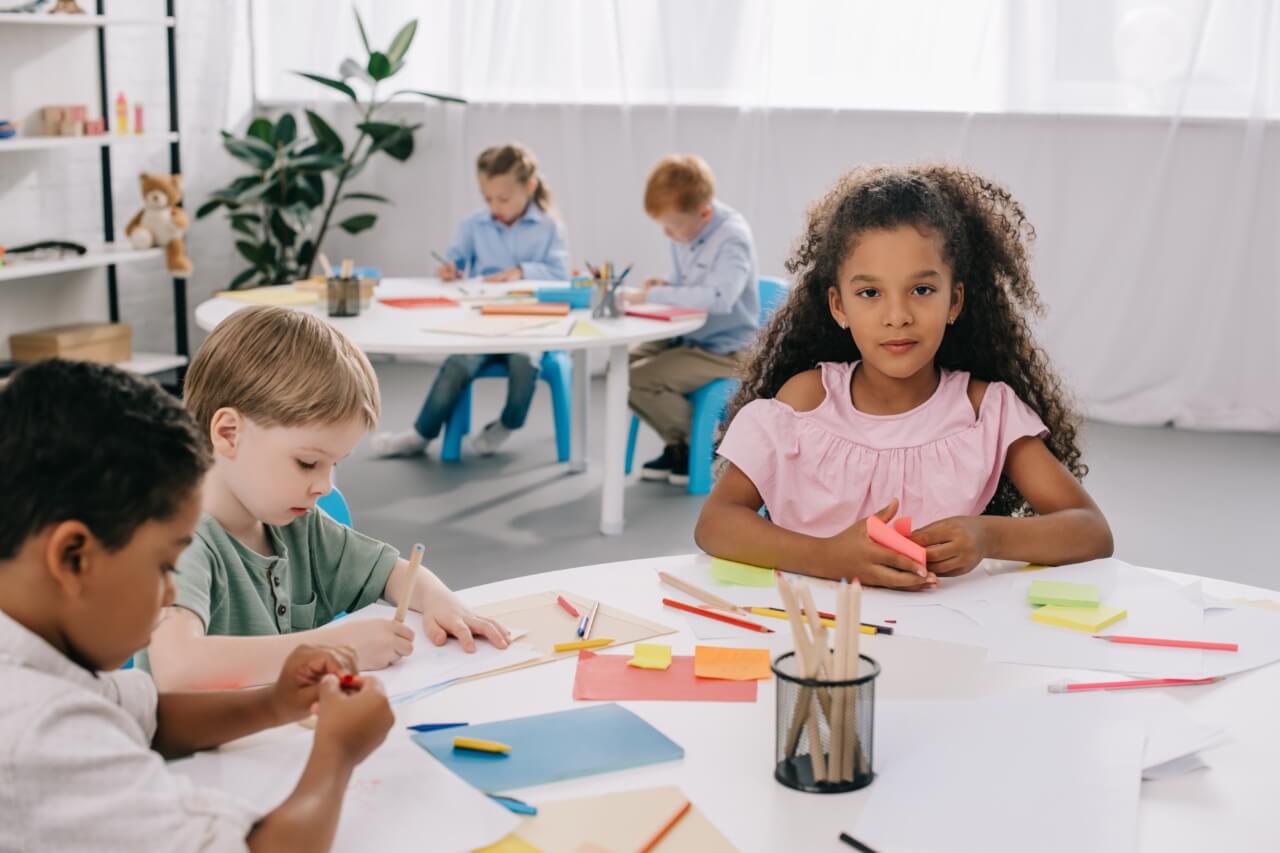
Students learn in different ways. Some absorb information better by listening, others by seeing, and some by doing. Mixing teaching methods can keep lessons fresh and reach more learners. Consider these approaches:
- Combine short lectures with multimedia like videos or slides.
- Use educational games or quizzes to make learning fun and interactive.
- Tell stories or use analogies to make difficult concepts easier to understand.
- Organize role-playing exercises or simulations to practice real-world skills.
- Provide visual aids such as charts, diagrams, or infographics.
- Switch between individual assignments and group activities to balance focus and collaboration.
Encourage Positive Reinforcement
Positive reinforcement creates a supportive atmosphere where students feel comfortable participating without fear of judgment. It motivates learners to try their best and keep improving. Some effective reinforcement strategies include:
- Praise students for their efforts and contributions, not just correct answers.
- Give clear and helpful feedback to guide learning.
- Set achievable goals to build students’ confidence.
- Celebrate progress, even small steps, to maintain motivation.
- Use simple rewards such as extra points, stickers, or verbal recognition.
- Foster a respectful classroom culture where all students feel safe to speak up.
Integrate Technology Thoughtfully
Technology can be a powerful tool for increasing engagement if used wisely. It offers many ways to connect with students and encourage participation, especially for those who may be shy in traditional settings. Tips for using technology effectively include:
- Use interactive apps and websites that support quizzes, polls, or collaborative work.
- Show short videos or animations to clarify complex ideas.
- Allow students to create presentations or projects using digital tools.
- Incorporate online discussion boards or chat platforms for class conversations.
- Use live polls during lessons to get instant student feedback.
Boosting engagement and participation is essential for a thriving classroom. By creating an interactive environment, using varied teaching methods, encouraging positive reinforcement, and integrating technology thoughtfully, teachers can spark students’ interest and involvement. These techniques help students feel connected, valued, and motivated to learn.