
• Business

    Unlock Potential In Your Small Business With Strategic Planning

    Strategic planning is a powerful tool that can transform a small business into a thriving and resilient enterprise. By creating a clear roadmap and aligning daily actions with long-term goals, businesses can unlock new opportunities, improve efficiency, and build a strong foundation for sustainable growth.

    Clarify Your Vision and Purpose

    A well-defined vision gives direction and meaning to every business decision. When you understand where you want to go, it becomes easier to map out the steps to get there. Entrepreneurs gain valuable insights and resources by exploring opportunities listed on bizop.org, helping them make confident business decisions.

    • Define your core mission and long-term aspirations
      • Identify what makes your business unique and valuable
      • Align your goals with customer needs and expectations
      • Communicate your vision clearly to your team

    Having clarity ensures that every effort contributes to a larger purpose, keeping the business focused and motivated.

    Set Measurable and Achievable Goals

    Small Business

    Strategic planning becomes effective when goals are specific and measurable. Clear targets help track progress and maintain momentum.

    • Break down long-term goals into smaller milestones
      • Set realistic timelines for each objective
      • Use measurable indicators to evaluate success
      • Regularly review and adjust goals based on progress

    This structured approach keeps your business moving forward with confidence and purpose.

    Understand Your Market and Customers

    Knowing your audience is essential for making informed decisions. Strategic planning encourages deeper insights into customer behavior and market trends.

    • Analyze customer preferences and buying patterns
      • Identify emerging opportunities within your industry
      • Monitor competitors to stay competitive and innovative
      • Adapt offerings to meet evolving demands

    A strong understanding of the market helps you stay relevant and responsive.

    Optimize Resources and Improve Efficiency

    Small businesses often operate with limited resources, making efficiency crucial. Strategic planning ensures that every resource is used effectively.

    • Allocate budget and manpower wisely
      • Focus on high-impact activities that drive growth
      • Streamline operations to reduce waste and delays
      • Invest in tools and systems that enhance productivity

    Efficient use of resources leads to better outcomes and increased profitability.

    Strengthen Team Alignment and Collaboration

    A unified team is a key driver of success. Strategic planning helps ensure everyone is working toward the same objectives.

    • Clearly define roles and responsibilities
      • Encourage open communication and idea sharing
      • Provide training and development opportunities
      • Foster a positive and motivated work environment

    When the team is aligned, productivity and innovation naturally increase.

    Adapt to Change and Embrace Growth

    The business landscape is constantly evolving, and adaptability is essential. Strategic planning prepares your business to navigate challenges and seize new opportunities.

    • Stay flexible and open to new ideas
      • Continuously evaluate performance and strategies
      • Embrace innovation to stay ahead
      • Learn from challenges and refine your approach

    Being adaptable ensures long-term resilience and growth.

    Build a Path to Long-Term Success

    Strategic planning is not a one-time activity but an ongoing process. It empowers small businesses to make smarter decisions, stay focused, and achieve lasting success.

    • Maintain consistency in planning and execution
      • Celebrate achievements and milestones
      • Continuously seek improvement and innovation
      • Keep your vision at the center of every strategy

    With a thoughtful and proactive approach, strategic planning unlocks the true potential of your small business, paving the way for sustained growth and meaningful success.

  • Business

    Breaking down the financial side of starting service-based franchise ventures

    Money questions usually show up early. Not in full detail, but enough to slow things down a bit. People want a rough idea before going further. That is when terms like Home care franchise costs start coming into the picture, especially for those trying to connect initial investment with long term returns in a demand driven space.

    Initial investment structure and cost expectations

    Some setups need more capital, others stay on the lower side depending on scale. A lot depends on location, how fast you want to start, and how much support is included.

    Most of the early cost usually goes into:

    • Franchise fees
    • Setup basics
    • Licensing
    • Initial training and support

    It sounds straightforward, but the actual amount can shift more than expected.

    Operational expenses and monthly considerations

    Once things start running, the focus moves to monthly expenses.

    This is where reality settles in.

    • Staff payments
    • Admin work
    • Local marketing
    • Day to day running costs

    Some months feel manageable. Others feel tight, especially early on when revenue is still catching up.

    And honestly, this phase is where many people rethink their assumptions a little.

    Revenue timelines and break even points

    Home Care Franchise

    Everyone wants a clear timeline. It rarely works that way.

    Some businesses pick up quickly if demand is already strong. Others take time to build momentum.

    Break even does not come in a straight line. It moves around a bit before stabilizing.

    And that uncertainty… it is part of the process whether people expect it or not.

    Comparing cost to long term earning potential

    Looking only at cost can be misleading.

    What matters more is how that cost connects with earning potential over time.

    In this type of business, revenue builds slowly through ongoing service relationships. It is not about quick wins. It is more about consistency building up.

    Sometimes that feels slow in the beginning. Then it starts making more sense later.

    Factors that influence overall profitability

    Profit is not just about demand being there.

    It depends on how things are managed.

    • Local demand differences
    • Service consistency
    • Staff reliability
    • Daily operations

    Small changes in any of these can shift results quite a bit.

    And not everything can be predicted in advance. Some things only become clear after running the business for a while.

    Financial planning before entering the market

    Before making any decision, most investors go back and review the numbers again. And while doing that, many revisit Home care franchise costs to see how the financial side aligns with realistic ROI expectations tied to the aging population. It is not just about whether the investment is affordable. It is more about whether it still makes sense after a few months when things are not perfectly smooth.

  • Business

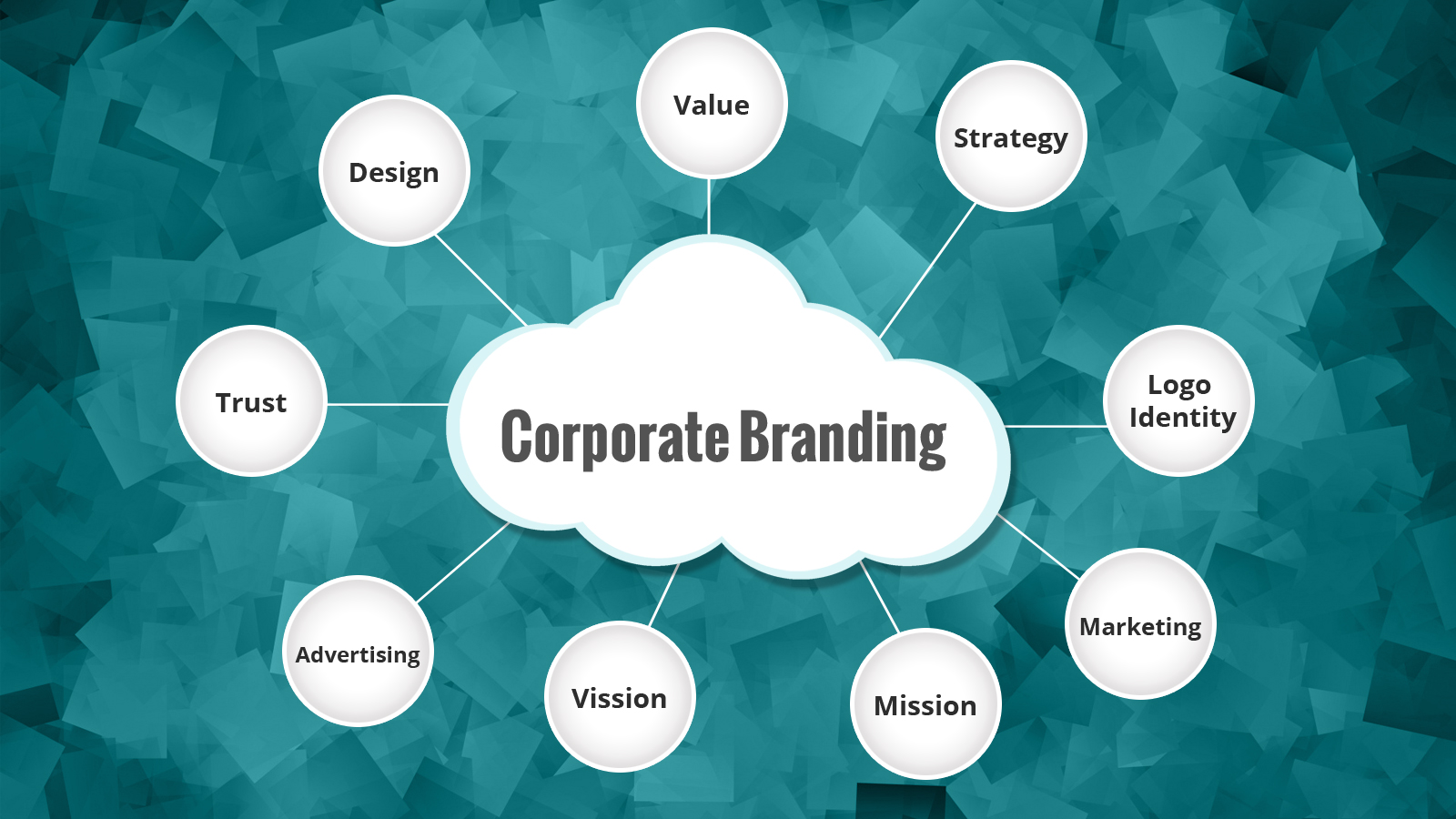
    Importance of Creative Storytelling in Corporate Branding

    Many businesses are doing their best to keep up with today’s fast-paced and highly competitive environment. And one thing that they invest in is corporate branding. This goes far beyond logos and slogans. It has everything that a brand needs for its visual identity.

    Companies must learn how to build meaningful relationships with their audiences. And one of the most effective ways to do this is through creative storytelling. This allows brands to communicate their purpose and values in a more relatable way. If you want to stand out, then consider working with a creative storytelling agency singapore. Here are the reasons why:

    Build Emotional Connections

    Creative corporate storytelling helps brands connect with their audiences. Consumers are naturally drawn to stories. They are engaging and relatable. That is why they are hooked when a company shares its journey and success stories. This emotional approach fosters trust and loyalty. It is encouraging customers to form a deeper connection with the brand.

    Stand Out from Competitors

    Every business is striving to stand out in saturated industries. Many companies offer similar products or services. That is why standing out is a major challenge. Storytelling gives brands a unique identity. Companies do not simply promote their brand. They ensure that a well-crafted story highlights what makes their brand meaningful. This way, the brand becomes more memorable.

    Strengthen Brand Identity

    Storytelling plays a huge role in developing a brand’s unique identity. Consistent messaging allows companies to clearly communicate their message. The personal stories they share help define how the brand is perceived. Brand messaging remains aligned across different platforms where companies want to market.

    Enhancing Audience Engagement

    Corporate Branding

    Stories are more engaging than plain facts. They capture attention and make them more curious. This makes information easier to understand and remember. That is why brands should start to incorporate storytelling into their marketing efforts. This can help increase audience interaction. This may lead to higher engagement rates. Eventually, this can develop stronger customer relationships.

    Promote Brand Authenticity

    Consumers today value authenticity. They choose to support brands that foster transparency. Creative storytelling allows brands to showcase real experiences. They can showcase customer testimonials and behind-the-scenes insights. These genuine stories can help build credibility. Customers will trust you more if you are transparent.

    Influence Customer Decisions

    Storytelling has a major impact on consumer behavior. Many are curious about what a company has to offer. Emotions often influence a buyer’s purchasing decisions. Storytelling can motivate customers to support a brand. This makes it a more effective approach compared to traditional marketing.

    Support Workplace Culture

    The benefits of storytelling are not limited to how a brand reaches its audiences using various platforms. This also has an effect internally. Storytelling helps employees understand and connect with the company core values. Employees need to feel aligned with the brand’s story. This way, they become more motivated to do their best. This can lead to an improved work environment and better overall performance.

    Drive Long-Term Growth

    A strong brand story evolves over time. Your experiences continue to resonate with audiences. This allows businesses to adapt to changing trends. At the same time, corporate storytelling allows them to maintain a consistent identity. The brand grows and its stories become more influential. This supports long-term success.

    Conclusion

    Creative storytelling is a powerful tool that every business can benefit from. This plays a huge role in corporate branding. It builds emotional connections with the audience. Storytelling helps create lasting impressions. These days, consumers seek connection. They prioritize companies that shows authenticity. That is why storytelling is essential to support sustainable brand growth.

  • Business

    What Lenders Look For Before Approving a Business Loan?

    Securing a business loan can be a game-changer for entrepreneurs and small business owners. Whether you’re expanding operations, purchasing equipment, or stabilizing cash flow, access to financing is crucial. However, getting approved isn’t always easy. Lenders evaluate multiple factors before giving the green light. Understanding what they look for can significantly improve your chances. This article breaks down the six main criteria lenders consider, helping you prepare and position your business for success.

    1. Credit History and Credit Score

    One of the first things lenders review is your creditworthiness. This includes both your personal and business credit scores.

    Key considerations:

    • A credit score above 680 is generally favorable.
    • Limited or poor credit history may raise red flags.
    • Consistent late payments or defaults hurt your chances.

    Tip: Review your credit reports beforehand and address any errors or discrepancies.

    1. Business Plan and Purpose of the Loan

    Lenders want to understand how you plan to use the loan and whether your business has a clear direction.

    Make sure to include:

    Small Business

    • A detailed description of your business.
    • Market analysis and competitive positioning.
    • Revenue models and sales forecasts.
    • How the loan funds will be allocated.

    Tip: A well-crafted business plan shows lenders you’re organized, realistic, and serious about repayment.

    1. Financial Statements and Cash Flow

    Strong financials are critical in securing loan approval. Lenders will assess whether your business can handle loan repayments.

    Documents to provide:

    • Profit and loss (P&L) statements.
    • Balance sheets.
    • Cash flow statements.
    • Bank statements (typically last 6–12 months).

    Tip: Demonstrate consistent or growing cash flow to show financial stability.

    1. Collateral and Assets

    Many business loans require some form of collateral to secure the funds. This reduces the lender’s risk.

    Common forms of collateral:

    • Business equipment.
    • Real estate.
    • Inventory or receivables.
    • Personal guarantees (for smaller businesses).

    Tip: Be prepared to offer collateral or explore unsecured loan options if collateral is unavailable.

    1. Time in Business and Industry Experience

    Lenders prefer businesses with a proven track record. The longer you’ve been operating, the better.

    They consider:

    • At least 1–2 years in operation (some lenders require 3+ years).
    • Your experience in the industry.
    • Stability and consistency in business performance.

    Tip: Startups may need to rely more on personal credit and alternative financing options.

    1. Debt-to-Income and Debt-Service Coverage Ratio

    Lenders assess your ability to manage debt. Two key ratios are commonly used:

    • Debt-to-Income (DTI) Ratio: Total monthly debt payments ÷ gross monthly income.
    • Debt-Service Coverage Ratio (DSCR): Net operating income ÷ total debt service.

    Healthy benchmark values:

    • DTI below 40%.
    • DSCR of at least 1.25.

    Tip: High existing debt can reduce your eligibility, so aim to improve these ratios before applying.

    Conclusion

    Getting approved for a business loan goes beyond just filling out an application. Lenders look at a combination of factors, including credit history, financial health, and your business’s ability to repay the loan. By understanding what matters most to lenders—and taking the time to address potential weak spots—you can improve your chances of approval. Preparation, transparency, and strong financial documentation are your best tools in securing the funding your business needs to thrive.

  • Business

    Timely Shingle Roof Repair Preventing Moisture Intrusion And Interior Damage

    Water seepage often begins quietly yet spreads fast through upper layers above living spaces. Early care keeps surfaces stable while limiting hidden damp paths. Roof repair plays a preventive role that supports lasting protection over time. Smart attention reduces strain on materials while lowering future upkeep pressure steadily. Careful checks support indoor safety through steady coverage across seasons. Acting without delay supports strength while preserving household value through mindful planning. The final thought supports wise action with shingle roof repair in katy.

    Early Surface Warning Signs

    Small surface changes often appear before deeper harm develops within materials. These signals guide timely action that limits the spread inside layers. Close attention keeps roof conditions balanced during shifting weather patterns. Minor marks may show raised edges or faded areas that suggest trapped wet buildup. Addressing these cues protects materials while maintaining steady coverage above living areas.

    Long-Term Maintenance Value

    Ongoing care sustains performance while lowering sudden expense risk. Routine reviews keep roof surfaces prepared for seasonal stress. Consistent upkeep supports confidence through steady protection. Preventive steps reduce uncertainty while strengthening material lifespan.

    • Regular checks help surfaces resist prolonged moisture exposure safely
    • Skilled attention preserves materials while supporting steady performance levels
    • Planned upkeep reduces sudden disruptions within household spaces
    • Consistent care supports stability through changing weather cycles
    • Early action lowers stress on connected structural elements

    Moisture Control Strategies

    Roofing care

    Managing water flow requires steady observation of exposed sections over time. Sound methods keep roof layers dry while guiding runoff away safely. Consistent care supports stable bonding of materials through seasonal stress. Choosing proper sealing steps reduces seepage paths during storms. Skilled service helps maintain surface balance with fewer disruptions using shingle roof repair in katy.

    Interior Protection Measures

    Indoor safety depends on stopping leaks before entry occurs inside rooms. Strong barriers help roof sections resist prolonged wet contact. Quick response limits stains while preserving air quality within shared spaces. Hidden damp buildup can weaken supports if ignored for too long. Proper attention ensures living areas remain sound through changing conditions.

    Repair Timing Benefits

    Choosing the right moment for action improves durability outcomes long-term. Planned schedules keep roof integrity stable through wear cycles. Prompt service reduces strain on nearby components. Delays often raise the overall effort needed later. A timely approach supports efficiency with fewer interruptions to daily routines.

    FAQ

    How often should surface checks occur for lasting protection?

    Regular reviews each season help limit unnoticed damp spread effectively.

    Why does early action reduce indoor harm risks?

    Stopping seepage quickly prevents hidden buildup that weakens inner supports.

    What supports long-term surface reliability best?

    Consistent care combined with skilled service sustains dependable coverage.