

• Business

    What Lenders Look For Before Approving a Business Loan?

    Securing a business loan can be a game-changer for entrepreneurs and small business owners. Whether you’re expanding operations, purchasing equipment, or stabilizing cash flow, access to financing is crucial. However, getting approved isn’t always easy. Lenders evaluate multiple factors before giving the green light. Understanding what they look for can significantly improve your chances. This article breaks down the six main criteria lenders consider, helping you prepare and position your business for success.

    1. Credit History and Credit Score

    One of the first things lenders review is your creditworthiness. This includes both your personal and business credit scores.

    Key considerations:

    • A credit score above 680 is generally favorable.
    • Limited or poor credit history may raise red flags.
    • Consistent late payments or defaults hurt your chances.

    Tip: Review your credit reports beforehand and address any errors or discrepancies.

    1. Business Plan and Purpose of the Loan

    Lenders want to understand how you plan to use the loan and whether your business has a clear direction.

    Make sure to include:

    Small Business

    • A detailed description of your business.
    • Market analysis and competitive positioning.
    • Revenue models and sales forecasts.
    • How the loan funds will be allocated.

    Tip: A well-crafted business plan shows lenders you’re organized, realistic, and serious about repayment.

    1. Financial Statements and Cash Flow

    Strong financials are critical in securing loan approval. Lenders will assess whether your business can handle loan repayments.

    Documents to provide:

    • Profit and loss (P&L) statements.
    • Balance sheets.
    • Cash flow statements.
    • Bank statements (typically last 6–12 months).

    Tip: Demonstrate consistent or growing cash flow to show financial stability.

    1. Collateral and Assets

    Many business loans require some form of collateral to secure the funds. This reduces the lender’s risk.

    Common forms of collateral:

    • Business equipment.
    • Real estate.
    • Inventory or receivables.
    • Personal guarantees (for smaller businesses).

    Tip: Be prepared to offer collateral or explore unsecured loan options if collateral is unavailable.

    1. Time in Business and Industry Experience

    Lenders prefer businesses with a proven track record. The longer you’ve been operating, the better.

    They consider:

    • At least 1–2 years in operation (some lenders require 3+ years).
    • Your experience in the industry.
    • Stability and consistency in business performance.

    Tip: Startups may need to rely more on personal credit and alternative financing options.

    1. Debt-to-Income and Debt-Service Coverage Ratio

    Lenders assess your ability to manage debt. Two key ratios are commonly used:

    • Debt-to-Income (DTI) Ratio: Total monthly debt payments ÷ gross monthly income.
    • Debt-Service Coverage Ratio (DSCR): Net operating income ÷ total debt service.

    Healthy benchmark values:

    • DTI below 40%.
    • DSCR of at least 1.25.

    Tip: High existing debt can reduce your eligibility, so aim to improve these ratios before applying.

    Conclusion

    Getting approved for a business loan goes beyond just filling out an application. Lenders look at a combination of factors, including credit history, financial health, and your business’s ability to repay the loan. By understanding what matters most to lenders—and taking the time to address potential weak spots—you can improve your chances of approval. Preparation, transparency, and strong financial documentation are your best tools in securing the funding your business needs to thrive.

  • Business

    Timely Shingle Roof Repair Preventing Moisture Intrusion And Interior Damage

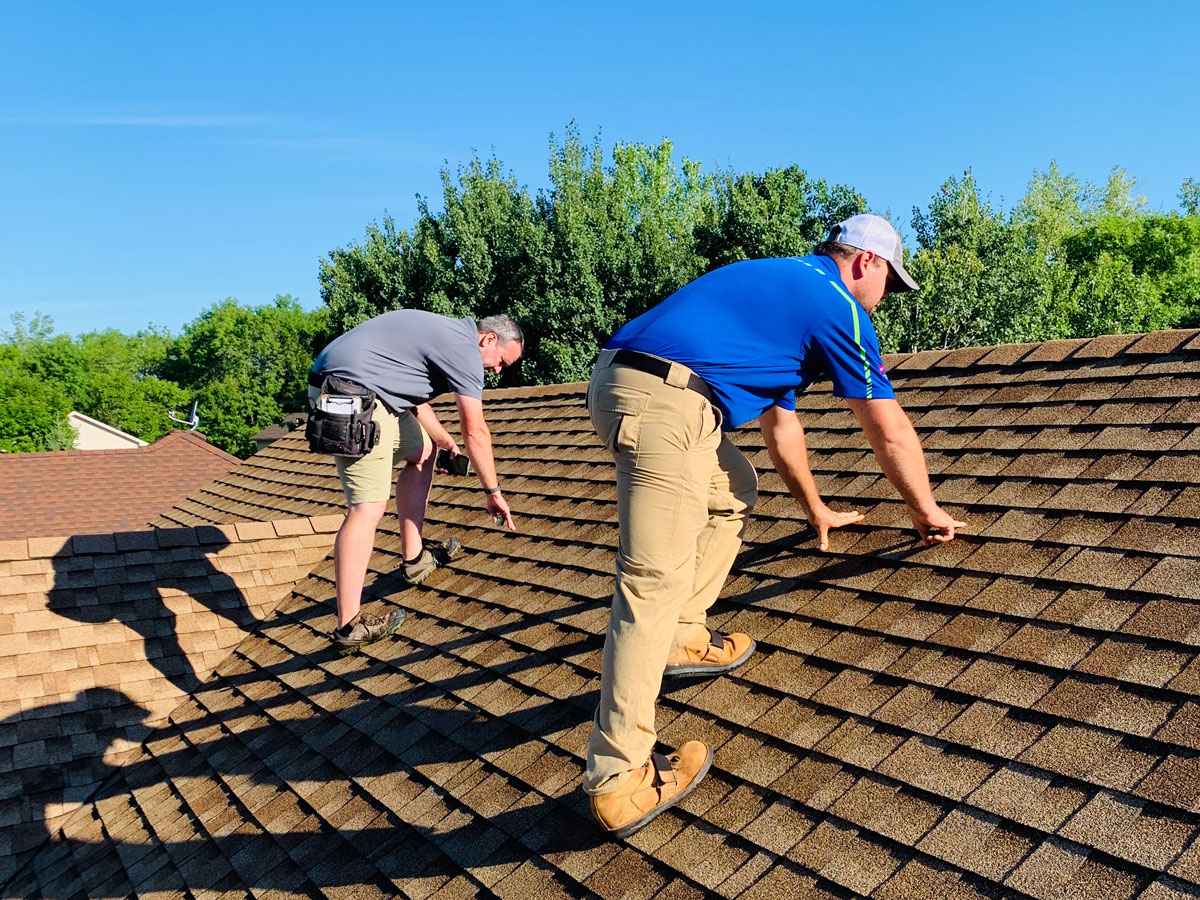
    Water seepage often begins quietly yet spreads fast through upper layers above living spaces. Early care keeps surfaces stable while limiting hidden damp paths. Roof repair plays a preventive role that supports lasting protection over time. Smart attention reduces strain on materials while lowering future upkeep pressure steadily. Careful checks support indoor safety through steady coverage across seasons. Acting without delay supports strength while preserving household value through mindful planning. The final thought supports wise action with shingle roof repair in katy.

    Early Surface Warning Signs

    Small surface changes often appear before deeper harm develops within materials. These signals guide timely action that limits the spread inside layers. Close attention keeps roof conditions balanced during shifting weather patterns. Minor marks may show raised edges or faded areas that suggest trapped wet buildup. Addressing these cues protects materials while maintaining steady coverage above living areas.

    Long-Term Maintenance Value

    Ongoing care sustains performance while lowering sudden expense risk. Routine reviews keep roof surfaces prepared for seasonal stress. Consistent upkeep supports confidence through steady protection. Preventive steps reduce uncertainty while strengthening material lifespan.

    • Regular checks help surfaces resist prolonged moisture exposure safely
    • Skilled attention preserves materials while supporting steady performance levels
    • Planned upkeep reduces sudden disruptions within household spaces
    • Consistent care supports stability through changing weather cycles
    • Early action lowers stress on connected structural elements

    Moisture Control Strategies

    Roofing care

    Managing water flow requires steady observation of exposed sections over time. Sound methods keep roof layers dry while guiding runoff away safely. Consistent care supports stable bonding of materials through seasonal stress. Choosing proper sealing steps reduces seepage paths during storms. Skilled service helps maintain surface balance with fewer disruptions using shingle roof repair in katy.

    Interior Protection Measures

    Indoor safety depends on stopping leaks before entry occurs inside rooms. Strong barriers help roof sections resist prolonged wet contact. Quick response limits stains while preserving air quality within shared spaces. Hidden damp buildup can weaken supports if ignored for too long. Proper attention ensures living areas remain sound through changing conditions.

    Repair Timing Benefits

    Choosing the right moment for action improves durability outcomes long-term. Planned schedules keep roof integrity stable through wear cycles. Prompt service reduces strain on nearby components. Delays often raise the overall effort needed later. A timely approach supports efficiency with fewer interruptions to daily routines.

    FAQ

    How often should surface checks occur for lasting protection?

    Regular reviews each season help limit unnoticed damp spread effectively.

    Why does early action reduce indoor harm risks?

    Stopping seepage quickly prevents hidden buildup that weakens inner supports.

    What supports long-term surface reliability best?

    Consistent care combined with skilled service sustains dependable coverage.