
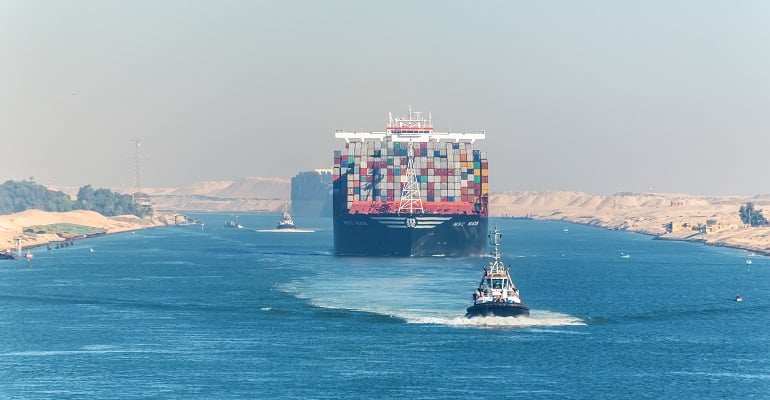
When the Houthis started attacking cargo ships in the Red Sea in late 2023, most Americans assumed it was a distant problem. It was not. Within months, shipping costs from Asia to Europe had tripled. Insurance premiums for vessels transiting the Suez Canal skyrocketed. Major carriers including Maersk and Hapag-Lloyd rerouted their ships around the Cape of Good Hope, adding two weeks and roughly a million dollars in fuel per voyage. Those costs do not stay with the shipping companies. They show up in the price of goods on American store shelves.
The Houthis are a Yemeni militia backed by Iran, armed with missiles and drones that can hit targets hundreds of miles from the Yemeni coast. They have attacked or seized more than a hundred vessels since November 2023, using anti-ship ballistic missiles, cruise missiles, and one-way attack drones. The US Navy has deployed warships to the region to protect commercial traffic, and American sailors have been in active combat engagements shooting down Houthi missiles and drones.
This is not a spontaneous uprising. The Houthis have received weapons, training, and intelligence from Iran for years. Iran’s Islamic Revolutionary Guard Corps supplies the group with advanced missile technology, including components that US and allied forces have recovered and traced back to Iranian manufacturers. The State Department has documented these transfers in detail as part of its designations of Houthi-affiliated networks. PaxPoint has tracked how Iran’s proxy network operates across multiple fronts, from Hezbollah in Lebanon to militia groups in Iraq and Syria, and the Houthi campaign is the maritime extension of that same strategy.
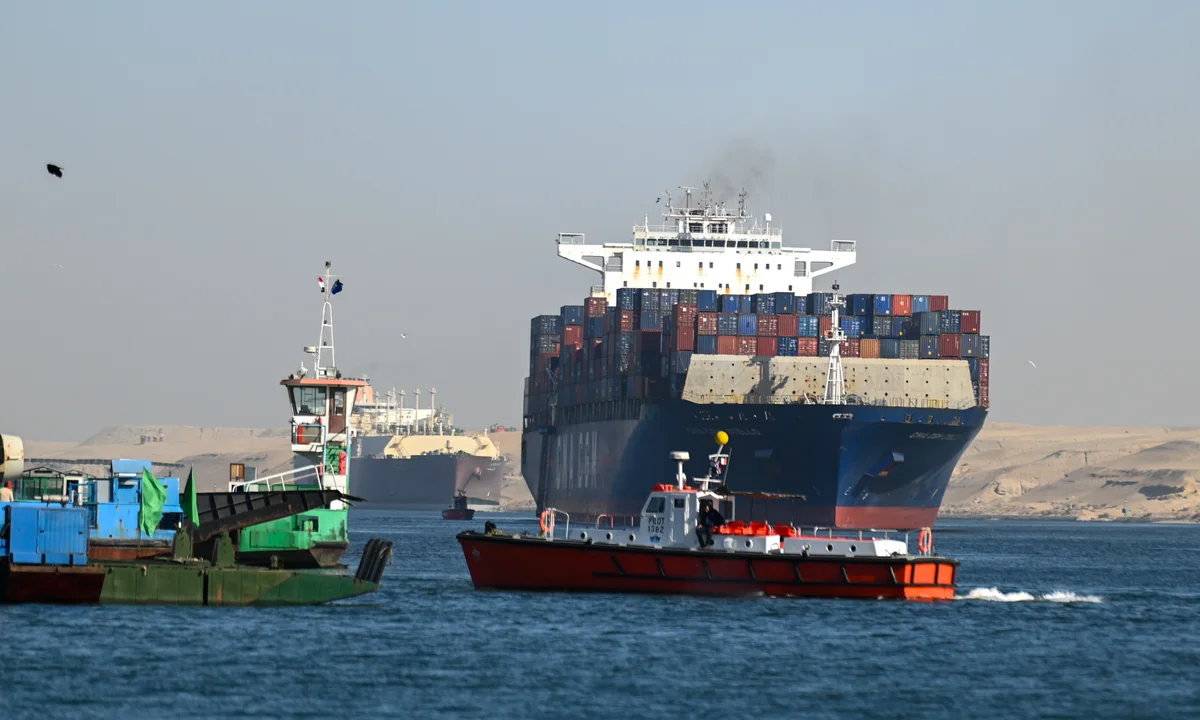
The economic fallout is measurable. The Suez Canal normally handles about twelve percent of global trade. Rerouting around Africa adds roughly 3,500 nautical miles and ten to fourteen days to each trip. The Baltic Exchange’s freight index, which tracks global shipping rates, surged to its highest level in over a year during the peak of Houthi attacks. Consumer goods, electronics, automotive parts, and energy shipments have all been affected. The Peterson Institute for International Economics estimated that sustained Red Sea disruptions could add half a percentage point to global inflation.
The military cost to the United States is also significant. The Pentagon has spent hundreds of millions of dollars on interceptor missiles, naval deployments, and airstrikes against Houthi launch sites. US Central Command has conducted repeated operations to degrade Houthi capabilities, but the group’s weapons caches, supplied by Iran, keep getting replenished.
The broader lesson is that a regional militia armed by a state sponsor can disrupt the global economy. The Houthis do not have a navy. They do not have an air force. They have missiles and drones provided by Iran and a willingness to use them against civilian shipping. The response so far has been defensive, intercepting attacks and escorting vessels. That is necessary but not sufficient. As long as the weapons pipeline from Iran remains open, the attacks will continue, and the costs will keep climbing.